
Cotswolds Cream Tea Etiquette: What to Expect and How to Order Like a Local
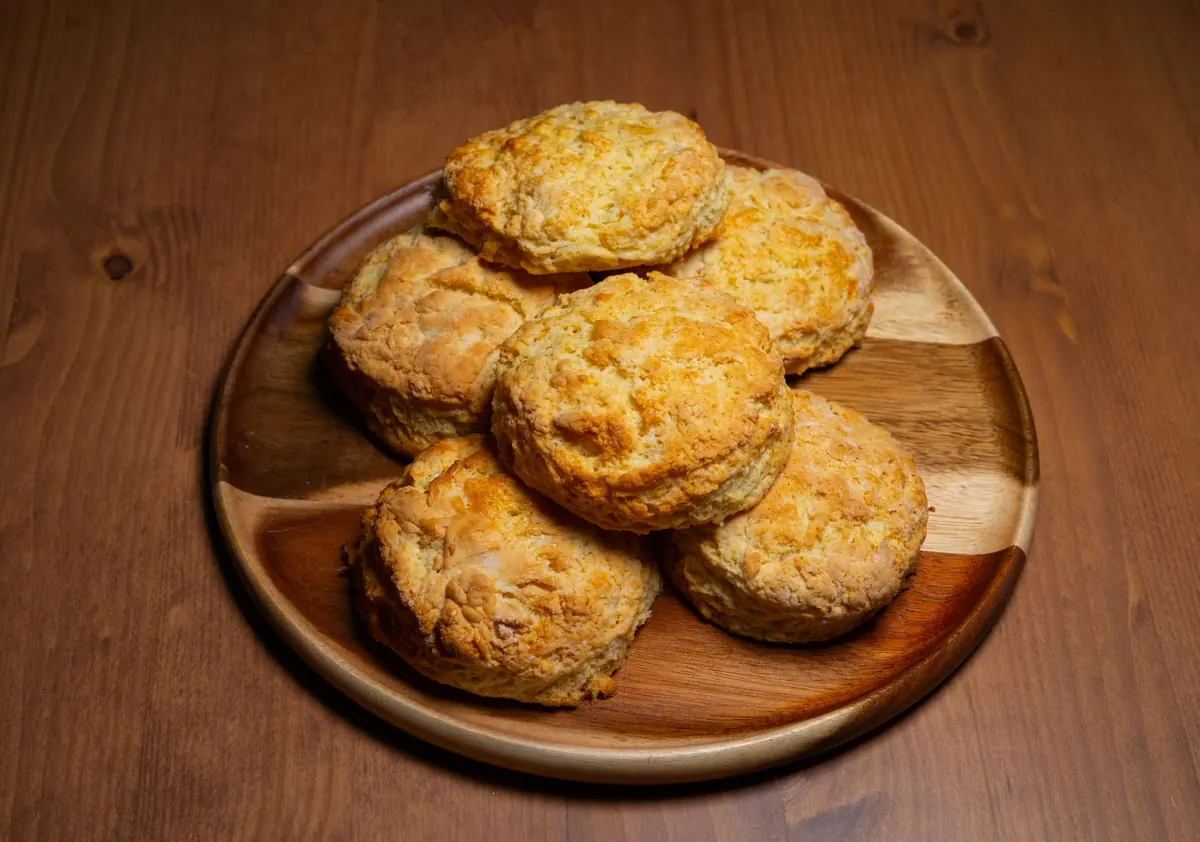
In a stone-walled tearoom in Burford, the question is never whether to have a cream tea. It is how. Two warm scones, a dish of jam often made in the kitchen that morning, a pot of clotted cream and a pot of tea under a knitted cosy — the formula looks simple, and the small decisions around it are where visitors tie themselves in knots. Does the cream go on first? Do you order at the counter or wait at a table? Is it bad form to share one between two? None of it is difficult once you know the shape of it.
A Cream Tea Is Not Afternoon Tea
The two get muddled constantly, and the confusion costs people money and appetite. A cream tea is compact: scones, jam, clotted cream and a pot of tea. Afternoon tea is a bigger production — finger sandwiches, savouries, cakes, often a tiered stand, usually booked ahead and priced as an occasion. In the Cotswolds you will find both, sometimes in the same building, listed as separate things on the menu.
Look for the words cream tea for one or cream tea for two. That is the shorthand, and it tells you how many scones and how much tea you are getting. A few places call it a "Cotswold cream tea" and use cream from a nearby dairy; others say "Devon cream tea" because the cream itself is West Country clotted cream, which is exactly what you want. Most tearooms serve them from late morning until closing, though tables fill fastest between about two and four.
Cream First or Jam First?
This is the great regional argument, and the Cotswolds sits in the middle of it. Devon's tradition is cream first, then jam spooned on top. Cornwall's is jam first, with a generous dollop of cream dropped on last. Neither county forgives the other, and in Gloucestershire and Oxfordshire tearooms you will see both approaches on the same table without comment.
If you want a practical reason to choose: clotted cream is thick and cold, and makes a stable base, so jam sits on it neatly instead of sliding off a warm scone. That argues for cream first. If you would rather taste fruit before fat, spread jam first and crown it with cream. Try both across your visit. The rules that genuinely matter are simpler: use a clean spoon for the jam so the pot does not fill with cream, keep your own knife out of the shared dishes, and never leave a scone sitting naked while you finish a conversation.
Cream first, jam first — there is no wrong answer, only a strongly held one at the next table.
How to Order Without Overthinking It
Service styles vary. Some tearooms are table service, some are counter service, and a few are a hybrid where you order at the till and take a numbered spoon to your table. Read the sign at the door; "please wait to be seated" means exactly that, and staff will notice if you seat yourself in a busy room.
- "A cream tea for two, please" — clear and quick, and it gets you the right number of scones with a pot big enough for both of you.
- "Could we have an extra plate and knife?" — the polite way to share one cream tea between two. Many places will add a scone or a larger pot for a little extra; ask rather than assume.
- "Do you have gluten-free scones today?" — worth asking before you sit down. Kitchens that keep them often need a few minutes to warm them.
- "Is the tea loose leaf?" — if it is, you will get a strainer and a pot that needs emptying before it turns bitter.
- "Could we have more hot water?" — entirely normal, and usually free.
Do not skip the scone varieties. Fruit scones are standard, plain are common, and cheese scones appear on many menus — best with butter or chutney rather than jam and cream. If there is a seasonal special, that is often the kitchen's best work.
Choosing the Tea
Menus usually run from a robust breakfast blend to Earl Grey and a few single-estate blacks. Milk suits the strong ones — English Breakfast, Assam, Ceylon — and is generally added after pouring, not before, unless you are drinking from very fine china. Earl Grey, Darjeeling, green teas and infusions are usually taken plain, and asking for milk with a green tea will earn a patient look rather than an argument.
A pot for one typically pours two small cups, so order one each if you are both thirsty. Herbal and decaffeinated options are near-universal; if caffeine in the afternoon keeps you awake, ask for decaf rather than assuming the house blend is mild. Loose-leaf tea keeps developing in the pot, so empty the strainer over your cup once it has brewed to your taste — stewed tea is the most common reason people leave a cream tea disappointed.
Small Customs Worth Knowing
- Boots. Walking boots and wellies are expected, and many places keep a tray by the door. Use it; nobody wants mud across a flagstone floor.
- Dogs. Most tearooms welcome well-behaved dogs, often in one room or the garden rather than everywhere. Ask before you settle in.
- Timing. Weekends, school holidays and the hour after a popular walk ends are the crush. Before noon or after half past three is calmer.
- Tipping. Not expected at counter service. At a table-service tearoom, rounding up or leaving roughly ten per cent is a kindness, not an obligation.
- Cards and cash. Most places take cards, but a few small village tearooms still prefer cash. Carry a little.
The Practical Summary
A cream tea is not a test. Order a pot of tea, a round of scones, jam and cream, and put them together in whatever order tastes best to you. Split the scone rather than sawing it — fingers are traditional, a knife is perfectly fine — and take small pieces instead of loading a whole half. Spoon jam and cream onto the side of your plate first if you want to do it properly, or straight onto the scone if you do not. Eat while it is warm.
Then sit back, let the pot finish, and do not rush off. The point of a Cotswold tearoom is the pause: the low ceiling, the chipped jug, the rain on the window. Ten minutes longer than you planned is exactly the right amount of time.
Photo: Gu Ko / Pexels