How to Attend a Cotswolds Country Show: A First-Timer's Checklist
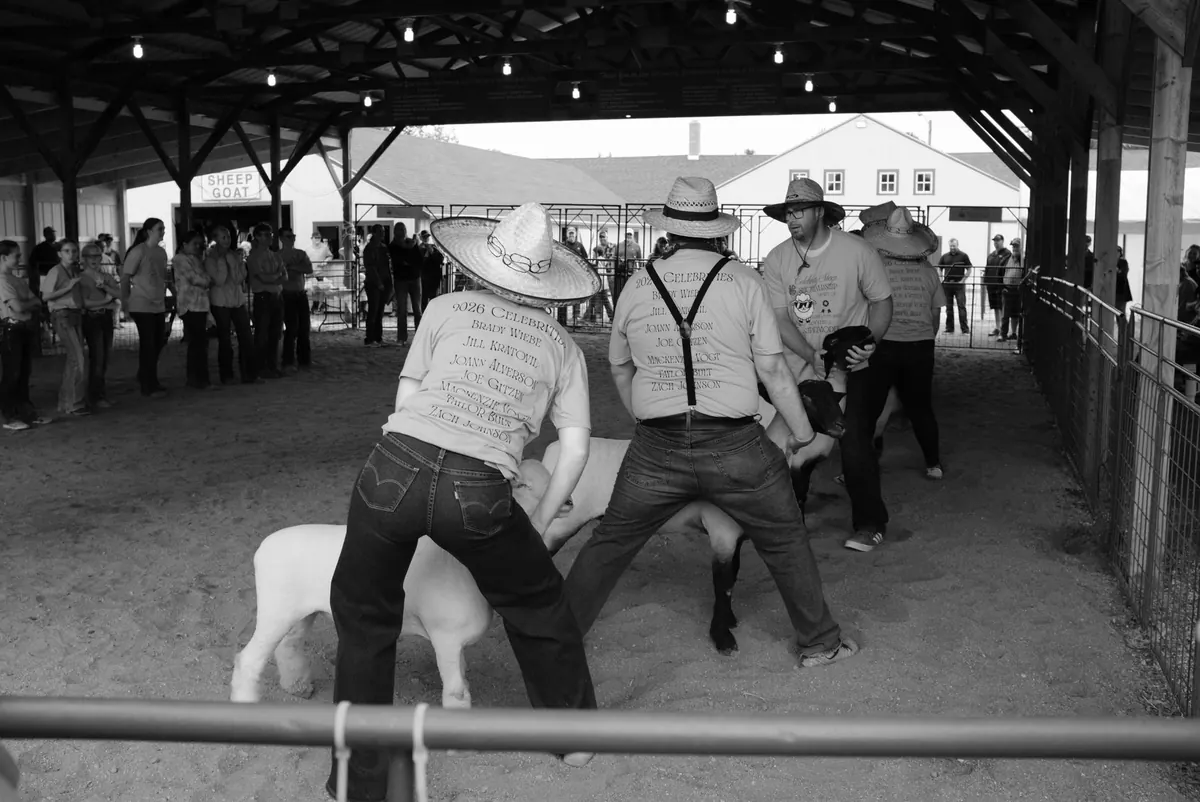
A Cotswold country show is not a festival, and it is not quite a village fête either. It is a field full of sheep, a loudspeaker that never quite stops, a produce tent where a single onion is judged with the seriousness of a courtroom, and a car park that will test your patience at half past four.
It is also one of the best days out in the region, especially if you know what you are walking into. A little preparation turns a baffling afternoon into a very good one.
First, Work Out Which Sort of Show You Are Going To
The name on the banner matters. The larger shows — the Cotswold Show at Cirencester Park, Moreton-in-Marsh Show, and the bigger country fairs along the Gloucestershire and Oxfordshire edges — run a full main-ring programme from late morning, with livestock classes, hundreds of trade stands and several food marquees. Give those four or five hours, and expect to walk a few miles without noticing.
Then there are the smaller affairs: a village show behind the church, a ploughing match with a produce tent attached, a one-day fayre with a dog show, a skittles alley and a tea urn. Those take two hours and cost very little. Both are worth your time, but do not turn up at a village show expecting heavy horses, or at a big show expecting to be home by lunchtime.
Check the show's own website rather than a listings page. Gate times, dog rules and whether parking is on grass or hardstanding all change from year to year.
Tickets, Times and the Main Ring
Buy in advance where you can. Some shows are advance-ticket only, and many sell family tickets that work out cheaper than paying at the gate for four. Children under a certain age often go free, but the cut-off differs from show to show — check rather than assume.
Gates usually open mid-morning and the main ring gets going late morning. The attractions people actually remember — the parade of hounds, the vintage tractor procession, the terrier racing — tend to fall in the late afternoon, so plan to stay longer than you think. Buy a programme at the gate: it lists ring times, class numbers and which tent is where, and it is the difference between drifting and actually seeing things.
Parking Is Half the Day
Field parking is a system, and it only works if everyone cooperates.
- Check the access route the night before. Satnavs routinely send drivers to the wrong gate, and some shows publish a different postcode for show-day traffic.
- Arrive within the first 45 minutes of opening. After that you will queue, and you will park a long way from the ring.
- Follow the stewards even when they seem to be sending you the scenic route. They are filling rows in order, and arguing costs everyone time.
- Note a landmark as you walk away from the car: a gate, a distinctive tree, the row letter on a marker post. Take a photo of it.
- Never park on a verge or in a village lane to avoid the queue. You will block a tractor, a bus or a resident, and the show will hear about it.
- Decide your exit strategy early. Leaving 20 minutes before the end is easy; leaving at the end is not. If you stay to the last class, plan on a slow half hour in the field.
If It Has Rained
Grass parking plus a wet week equals a muddy field. Wellies in the boot are not a joke. Some shows move traffic to hardstanding in bad weather, so a quick look at the website before you set off is worth the two minutes.
What to Wear and What to Carry
- Boots or wellies. Grass holds dew until midday, and the livestock areas are never clean.
- A waterproof jacket, whatever the forecast says. Showgrounds are exposed and showers arrive sideways.
- Layers and a hat. There is very little shade ringside, and a hot September afternoon in a field is hotter than you expect.
- Cash as well as a card. Most stalls now take cards, but mobile signal in a field can be patchy and the small cake stall may prefer notes.
- A refillable water bottle and something to sit on if you plan to watch a full afternoon of judging. Check the rules first — some shows restrict folding chairs near the barriers.
- A bag for wet coats and rubbish. Take your litter home; the stewards have enough to do.
Ringside Etiquette and Small Courtesies
Country shows run on goodwill, and the unwritten rules are simple.
Never cross the ring, the rope or the white line while a class is running, even if your child wants a better view. Wait for a steward to wave you through. Keep dogs on a short lead, away from livestock, and leave them at home if the show excludes them from the produce tent — most do.
Ask before you touch or photograph an animal. Handlers are watching for signs of stress and a stranger's hand on a nervous pony is not welcome. Stay clear behind horses. Keep quiet during the sheepdog trials: the dog is working to the handler's voice and whistle, and chatter at the rope carries further than you think.
Inside the produce and flower tents, look with your eyes. Entries are someone's year of work, and a bruised tomato is a disqualification waiting to happen.
The Things Worth Making Time For
Do not spend the whole day in the trade stands. The sheepdog trials are the quiet highlight of most shows, and the heavy horse classes draw a crowd for good reason. Walk the produce tent slowly, read the class cards, and look for the children's categories — a prize marrow grown by an eight-year-old is genuinely impressive.
Find the small marquees: local cheese, preserves, cider, a woodturner, a blacksmith. Buy something from a stallholder rather than only browsing; it is what keeps these shows going. And if there is a tug of war, terrier racing or a skittles alley, stop and watch. That is the point of the day.
A Short Checklist for the Night Before
Charge your phone, but do not rely on it. Note the gate opening time, the show-day postcode and the last entry for cars. Put boots by the door, a waterproof in the car and cash in your pocket. Fill a water bottle. If you are taking children, agree a meeting point at the entrance in case you separate in the crowds.
Then set off early, park where you are told, and let the day unfold at field speed. A Cotswold country show rewards the visitor who arrives prepared and then stops rushing.
Photo: Charles Criscuolo / Pexels